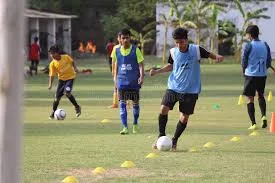
Many young athletes dream of excelling in both academics and sports. They spend hours in classrooms, attend coaching sessions after school, complete homework late at night, and prepare for competitions on weekends. While this lifestyle can help children develop discipline and confidence, it can also become overwhelming if not managed properly. One of the biggest challenges student-athletes face today is balancing studies and sports without experiencing burnout.
Burnout doesn't happen overnight. It develops gradually when children constantly feel physically exhausted, emotionally drained, or mentally stressed. Learning how to create a healthy balance between academics and sports is essential for long-term success. The goal should never be to choose one over the other but to build a routine where both can support each other.
Why Balance Matters
Sports teach valuable life skills such as teamwork, discipline, leadership, resilience, and confidence. Academics develop knowledge, critical thinking, and problem-solving abilities. Together, they help children become well-rounded individuals.
However, when schedules become overloaded, children may begin losing interest in both activities. They may struggle to concentrate in class, feel tired during practice, or become frustrated with their performance. Maintaining a balanced routine allows children to enjoy learning while continuing to improve in their chosen sport.
Understanding Burnout in Young Athletes
Burnout is more than simply feeling tired after a long day. It is a state of physical and emotional exhaustion caused by continuous stress without enough time to recover. Young athletes who experience burnout often lose motivation, enjoy sports less, and may even consider quitting activities they once loved.
Parents and coaches should pay attention to changes in behavior. If a child suddenly becomes less enthusiastic about training, feels constantly exhausted, struggles with schoolwork, or becomes unusually irritable, it may be a sign that their schedule needs adjustment.
Create a Realistic Daily Routine
One of the best ways to avoid burnout is by creating a routine that gives equal importance to studies, sports, rest, and family time. A structured schedule helps children understand when to study, when to train, and when to relax.
Instead of trying to complete everything at once, children should divide their day into manageable sections. Completing homework before practice or studying for short periods after training often feels more manageable than leaving everything until late at night.
A realistic routine also reduces last-minute stress before exams and competitions.
Focus on Quality, Not Quantity
Many parents believe that spending more hours studying or practicing automatically leads to better results. In reality, focused learning and purposeful practice are far more effective than long hours of continuous work.
A one-hour study session without distractions can be more productive than three hours spent constantly checking a phone or feeling exhausted. Similarly, a focused training session with clear objectives often produces better results than several hours of unplanned practice. Helping children stay focused during study time and training allows them to achieve more while reducing unnecessary fatigue.
Sleep Is Part of Training
One of the most overlooked aspects of balancing studies and sports is proper sleep. During sleep, the body recovers from physical activity, muscles repair themselves, and the brain processes new information learned during the day.
Children who regularly sacrifice sleep to complete homework or practice longer often experience reduced concentration, slower reaction times, and lower athletic performance. A healthy sleep routine improves memory, supports recovery, and helps children stay energetic both in the classroom and on the field.
Nutrition Fuels Both the Brain and the Body
Good nutrition plays an important role in maintaining energy levels throughout the day. Children involved in sports require balanced meals that provide carbohydrates for energy, protein for muscle recovery, healthy fats, fruits, vegetables, and adequate hydration.
Skipping meals or relying on junk food can lead to fatigue, poor concentration, and reduced performance in both academics and sports. Parents can support young athletes by preparing nutritious meals that keep them energized throughout their busy schedules.
Communication Makes a Difference
Parents, teachers, and coaches should work together whenever possible. Open communication helps everyone understand the child's academic workload, competition schedule, and overall well-being.
If an important tournament overlaps with school assignments, discussing the situation early allows teachers and coaches to provide appropriate support. Children also feel less stressed when the adults around them work together instead of placing conflicting expectations on them.
Avoid Comparing Children
Every child learns differently and develops athletic skills at a different pace. Comparing academic grades, sports achievements, or competition results with other children often creates unnecessary pressure.
Instead of asking why another child scored higher or won more medals, parents should focus on their own child's progress. Celebrating improvement encourages confidence and motivates children to continue working hard without fear of failure.
Encourage Rest Without Guilt
Many young athletes believe they must train every day to succeed. While consistency is important, recovery is equally essential. Rest allows both the body and mind to recover, reducing the risk of injuries and mental exhaustion.
Children should feel comfortable taking occasional breaks without worrying that they are falling behind. A refreshed athlete often performs much better than one who is constantly tired.
Support Mental Well-Being
Balancing school, sports, friendships, and family responsibilities can sometimes become emotionally challenging. Parents should regularly ask children how they feel instead of focusing only on results.
Simple conversations about school, practice sessions, competitions, and emotions help children feel supported. When children know they can openly discuss their challenges, they become better at managing stress and maintaining confidence.
Track Progress Instead of Chasing Perfection
Success is rarely achieved through one outstanding performance. It is built through consistent effort over time. Keeping track of academic improvement, sports achievements, tournament participation, and match performances allows children to see how far they have come.
Maintaining a digital record of achievements, match videos, and milestones also helps families monitor long-term development. Rather than focusing only on winning the next competition, children can appreciate their overall growth and continue improving step by step.
Building a Healthy Future
Balancing studies and sports is not about being perfect every day. Some weeks academics may require more attention, while during competition season sports may become the priority. Learning how to adjust schedules without creating excessive stress is an important life skill.
Children who learn this balance develop discipline, confidence, resilience, and time management abilities that benefit them throughout adulthood. Parents who encourage healthy routines, realistic expectations, and emotional support help create an environment where children can succeed both inside the classroom and on the sports field.
Conclusion
Managing studies and sports together can seem challenging, but with proper planning, healthy routines, and supportive guidance, young athletes can enjoy success in both areas without experiencing burnout. Parents should focus on long-term growth rather than short-term results, encouraging children to work consistently while making time for rest, recovery, and personal happiness.
Academic success and athletic achievement do not have to compete with each other. When children are given the right balance, they can build strong minds, healthy bodies, and the confidence to pursue their dreams both on and off the field.