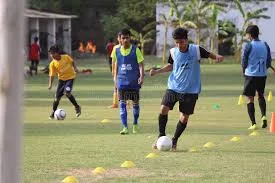
Coaches and scouts evaluate athletes from different perspectives. They look for consistency, discipline, performance under pressure, fitness, attitude, and the potential to improve over time. Athletes who understand these expectations have a better chance of standing out during trials and tournaments. Learning what prevents selection is the first step toward increasing your chances of success.
Talent Alone Is Rarely Enough
Many athletes believe that exceptional talent guarantees selection. While talent is important, it is only one part of the overall picture. A player who performs brilliantly in one match but struggles in the next may be seen as less reliable than someone who consistently performs well throughout the season.
Sports selectors value consistency because it reflects discipline, preparation, and mental strength. Regular practice, continuous improvement, and dependable performances often leave a stronger impression than occasional moments of brilliance. Athletes who focus on long-term development usually build greater trust with coaches and selectors.
Limited Competitive Experience Can Hold You Back
Training sessions help athletes develop their skills, but competitive matches reveal how those skills perform under real pressure. Selectors often prefer athletes who have participated in school tournaments, district championships, state-level competitions, or other recognized events because these experiences demonstrate the ability to compete in challenging situations.
Athletes who avoid competitions or participate only occasionally may miss valuable opportunities to gain experience and showcase their abilities. Every tournament provides exposure, learning opportunities, and a chance to improve confidence while performing against different opponents.
Physical Fitness Plays a Bigger Role Than Many Athletes Realize
Modern sports demand more than technical ability. Speed, endurance, strength, flexibility, recovery, and overall fitness all contribute to an athlete's performance. Even highly skilled players may struggle to impress selectors if they cannot maintain their performance throughout an entire match or tournament.
Building a balanced fitness routine alongside sports-specific training helps athletes perform consistently and reduces the risk of injuries. Coaches often notice athletes who remain energetic, disciplined, and physically prepared from the beginning to the end of competition.
Mental Strength Often Separates Selected Athletes From Others
Pressure is a natural part of competitive sports. Selection trials, important matches, and high expectations can affect even talented athletes. Some players lose confidence after making a mistake, while others recover quickly and continue performing at a high level.
Selectors appreciate athletes who remain calm, focused, and positive under pressure. Confidence, emotional control, and resilience are qualities that often influence selection decisions because they indicate an athlete's readiness for higher levels of competition.
Visibility Matters in Today's Sports Environment
Many talented athletes perform well but remain unnoticed because very few people know about their achievements. In today's digital world, visibility has become increasingly important. Coaches, scouts, and sports organizations often review athlete profiles, tournament records, and match videos before making decisions.
A well-maintained digital athlete profile allows players to present their achievements, competition history, performance videos, and progress in one organized place. Platforms like AmaPlayer help athletes build a professional online presence that makes it easier for coaches and scouts to discover and evaluate emerging talent.
Poor Match Videos Can Reduce Opportunities
Match videos have become an important part of sports evaluation. They allow coaches and scouts to observe an athlete's decision-making, technical skills, movement, teamwork, and overall game awareness. However, poor-quality recordings can make it difficult to assess actual performance.
Videos that are blurry, incomplete, or poorly recorded may fail to highlight an athlete's strengths. Clear recordings from competitive matches that capture important moments provide a much better representation of an athlete's abilities and can significantly improve visibility.
Continuous Learning Is Essential for Growth
Athletes who stop learning after achieving small successes often struggle to progress further. Sports continue to evolve, and so do coaching methods, training techniques, and performance expectations. Players who actively seek feedback and work on their weaknesses usually improve faster than those who focus only on their strengths.
Constructive feedback from coaches, trainers, and experienced players helps athletes identify areas for improvement and prepare more effectively for future opportunities.
Discipline Builds Long-Term Success
Discipline is one of the qualities that coaches consistently value. Arriving on time, maintaining healthy habits, respecting teammates, following training plans, and staying committed during difficult periods all contribute to an athlete's overall development.
Athletes who demonstrate professionalism both on and off the field often create a positive impression that extends beyond technical performance. Consistent discipline reflects maturity, responsibility, and dedication to the sport.
Success Requires Patience and Persistence
Many successful athletes faced rejection before achieving recognition. Missing one selection does not define an athlete's future. Every trial provides valuable experience, highlights areas for improvement, and prepares athletes for the next opportunity.
Instead of viewing rejection as failure, athletes should use it as motivation to improve their skills, gain more competitive experience, strengthen their fitness, and increase their visibility. Persistence combined with continuous improvement often leads to better results over time.
Conclusion
Getting selected in sports depends on much more than talent alone. Consistent performance, competitive experience, physical fitness, mental resilience, discipline, visibility, and a commitment to continuous improvement all influence selection decisions. Athletes who focus on developing these areas place themselves in a much stronger position when opportunities arise.
Building a professional digital presence has also become an important part of an athlete's journey. By maintaining an updated athlete profile, organizing achievements, and showcasing quality match videos through platforms like AmaPlayer, athletes can improve their visibility and make it easier for coaches and scouts to recognize their potential. In today's competitive sports environment, success comes not only from working hard but also from ensuring that the right people have the opportunity to see your talent.