Introduction
Many young athletes believe that talent alone is enough to succeed in sports. While natural ability can help an athlete stand out, coaches often look for much more than talent when selecting players for teams, academies, and competitions. In fact, two athletes with similar skill levels can have very different opportunities based on their attitude, work ethic, and commitment.
Coaches are responsible for building successful teams, and they want players who can contribute both on and off the field. This is why many talented athletes get overlooked while others continue to progress and earn valuable opportunities. Understanding what coaches look for beyond talent can help athletes develop the qualities that truly make a difference.
A Strong Work Ethic
One of the first things coaches notice is an athlete's work ethic. Talent can create opportunities, but hard work helps athletes improve and maintain their performance over time.
Coaches appreciate players who arrive on time, train seriously, and consistently put effort into improving their skills. Athletes who are willing to work hard every day often develop faster than athletes who rely only on natural talent.
A strong work ethic shows dedication and demonstrates that an athlete is serious about achieving their goals.
Positive Attitude
A positive attitude can have a significant impact on an athlete's development. Coaches prefer athletes who remain motivated, focused, and respectful even during difficult situations.
Sports involve challenges, setbacks, losses, and mistakes. Athletes who stay positive and continue learning from their experiences are often easier to coach and more valuable to a team.
A positive attitude also influences teammates and helps create a healthy team environment.
Coachability
Coachability refers to an athlete's willingness to listen, learn, and apply feedback. Coaches value players who are open to instruction and eager to improve.
No athlete is perfect, and every player has areas that need development. Athletes who accept constructive criticism and make adjustments often improve much faster than those who resist feedback.
Being coachable shows maturity and a desire to grow both personally and professionally.
Discipline and Commitment
Discipline is one of the most important qualities in sports. Coaches look for athletes who consistently follow training schedules, maintain fitness, and stay committed to their development.
Success in sports requires long-term dedication. Athletes who remain disciplined even when progress feels slow are more likely to achieve their goals.
Commitment also demonstrates reliability, which coaches highly value when selecting players for important competitions.
Teamwork and Communication
Sports are rarely individual efforts. Even in sports where individual performance matters, athletes must still communicate effectively with coaches, teammates, and support staff.
Coaches look for athletes who can work well with others, support their teammates, and contribute positively to the group. Strong teamwork often leads to better performance and stronger team chemistry.
Athletes who communicate effectively tend to adapt more quickly and handle challenges more successfully.
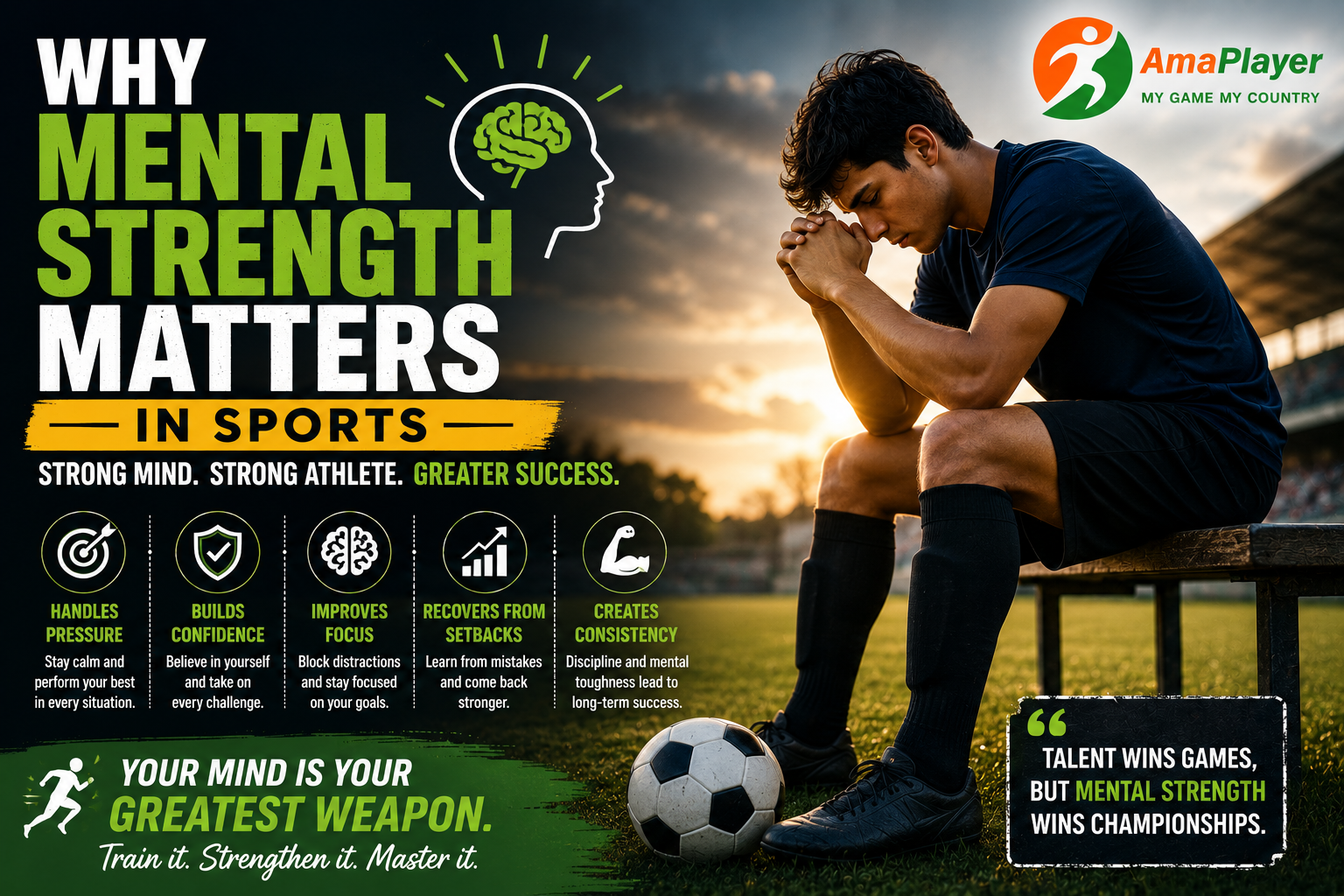
Mental Strength
Every athlete faces pressure at some point in their sporting journey. Coaches pay close attention to how players respond during difficult situations.
Mental strength includes staying focused under pressure, recovering from mistakes, and maintaining confidence during challenging moments. Athletes who remain calm and determined often perform better when it matters most.
Coaches know that talent alone cannot guarantee success if an athlete struggles to handle pressure.
Consistency
One great performance can attract attention, but consistency earns trust. Coaches want athletes who can perform at a high level on a regular basis.
Consistent athletes show that their success is not based on luck or temporary form. They demonstrate reliability and professionalism, which are essential qualities for long-term development.
Athletes who train consistently and perform consistently often become valuable assets to their teams.
Leadership Qualities
Leadership is not limited to team captains. Coaches often notice athletes who encourage teammates, set a positive example, and take responsibility for their actions.
Leadership can be demonstrated through effort, attitude, communication, and accountability. Athletes who naturally inspire those around them often stand out during the selection process.
Strong leadership qualities can help athletes earn greater trust from coaches and teammates alike.
A Growth Mindset
The best athletes never stop learning. Coaches appreciate players who constantly seek opportunities to improve and develop new skills.
A growth mindset allows athletes to view challenges as learning experiences rather than obstacles. These athletes are more adaptable and often continue improving throughout their careers.
Coaches know that athletes with a growth mindset are more likely to reach their full potential over time.
Professional Behavior
Professionalism extends beyond training and competition. Coaches observe how athletes behave both on and off the field.
Respecting teammates, following team rules, maintaining discipline, and representing the sport positively all contribute to an athlete's reputation. Professional behavior helps build trust and creates a positive impression.
Athletes who demonstrate professionalism often receive more opportunities because coaches know they can be relied upon.
How AmaPlayer Helps Athletes Showcase Their Potential
Modern sports opportunities often begin with visibility. AmaPlayer helps athletes create professional sports profiles, showcase achievements, upload performance videos, and present their sporting journey to coaches and scouts.
By highlighting both athletic ability and personal development, athletes can present a complete picture of their potential and increase their chances of being noticed by the right opportunities.
Conclusion
Talent is important, but it is only one part of what coaches look for when evaluating athletes. Work ethic, attitude, discipline, coachability, teamwork, mental strength, consistency, leadership, and professionalism often play an equally important role in the selection process.
Athletes who focus on developing these qualities alongside their sporting skills can stand out from the competition and create more opportunities for long-term success. In today's competitive sports environment, the athletes who continue to learn, grow, and work hard are often the ones who achieve the greatest results.