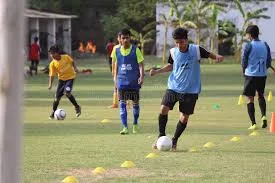
From driving their children to practice sessions to cheering from the sidelines during competitions, parents contribute in many ways. Their encouragement, guidance, and belief can make a significant difference in a young athlete's development. However, supporting a child in sports is not only about providing resources—it is also about creating the right environment for growth and confidence.
Encourage Without Creating Pressure
One of the best ways parents can support their children is by encouraging them without putting too much pressure on results. Young athletes need motivation, but they also need the freedom to learn, improve, and enjoy their sport.
Winning is exciting, but losing is also part of the learning process. Parents should focus on effort, improvement, and commitment rather than only victories and trophies. When children know that their parents support them regardless of the outcome, they are more likely to stay confident and motivated.
Help Build Healthy Habits
Sports success starts with good habits. Parents can help their children develop a healthy routine that supports both their athletic performance and overall well-being.
This includes ensuring they get enough sleep, eat nutritious meals, stay hydrated, and manage their time effectively. Healthy habits not only improve sports performance but also help young athletes maintain energy, focus, and consistency.
Attend Games and Competitions
For many young athletes, seeing their parents in the stands can be a huge source of motivation. Attending games, tournaments, and competitions shows children that their efforts matter.
Parents do not need to be experts in the sport. Simply being present and showing support can boost confidence and help athletes perform with a positive mindset.
Celebrate Effort, Not Just Results
Many parents naturally celebrate victories, but it is equally important to recognize hard work and dedication.
A child who trains consistently, learns new skills, and shows commitment deserves appreciation, even if they do not win every competition. Celebrating effort teaches athletes that growth and improvement are more important than short-term results.
This mindset helps children develop resilience and stay committed to their goals.
Invest in Learning and Development
Athletes improve when they have access to opportunities that help them grow. Parents can support their child's development by encouraging participation in training programs, coaching sessions, sports camps, and competitions.
Not every investment has to be financial. Sometimes, helping a child learn from experienced coaches, providing constructive feedback, or simply creating time for practice can have a lasting impact.
Help Them Build Visibility
In today's digital world, talent alone is not always enough. Athletes also need visibility to create opportunities.
Parents can play an important role by recording match performances, keeping track of achievements, and helping their children build an athlete profile. Sports videos can showcase skills, highlight progress, and help young athletes gain exposure.
Platforms like AmaPlayer allow athletes to upload sports videos, showcase achievements, and create a digital presence that can help them reach a wider audience.
By supporting both development and visibility, parents can help their children take advantage of more opportunities in sports.
Support Their Mental Well-Being
Sports can be exciting, but they can also be challenging. Athletes often face setbacks, injuries, losses, and moments of self-doubt.
Parents should create a positive environment where children feel comfortable discussing their experiences and emotions. Listening, encouraging, and offering emotional support can help athletes stay confident during difficult times.
A strong support system often plays a major role in long-term success.
Lead by Example
Children learn by observing the people around them. Parents who demonstrate discipline, patience, positivity, and a healthy attitude toward competition can influence how young athletes approach their own sports journey.
By focusing on personal growth and maintaining a positive outlook, parents can teach valuable lessons that extend beyond sports.
Conclusion
Parents are one of the most important influences in a young athlete's life. Their support goes far beyond providing transportation, equipment, or financial assistance. Encouragement, emotional support, healthy guidance, and belief in a child's potential can have a lasting impact on both athletic and personal development.
By helping children build good habits, stay motivated, develop their skills, and gain visibility, parents can play a meaningful role in their sports journey. Every athlete's path is unique, but with the right support system, young athletes can grow with confidence and pursue their goals with determination.
Frequently Asked Questions
Why is parental support important in sports?
Parental support helps young athletes stay motivated, confident, and focused on their goals while creating a positive environment for growth.
How can parents motivate young athletes?
Parents can motivate athletes by encouraging effort, celebrating progress, and providing emotional support during both wins and losses.
Should parents attend sports competitions?
Yes. Attending competitions shows support and can boost an athlete's confidence and motivation.
How can parents help athletes gain exposure?
Parents can record sports performances, maintain athlete profiles, track achievements, and help showcase talent through sports platforms.
What mistakes should sports parents avoid?
Parents should avoid creating excessive pressure, focusing only on results, comparing their child to others, and criticizing performance after every competition.