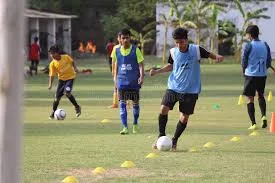
Sports trials are an important opportunity for athletes to showcase their skills, impress coaches, and earn a place on a team. Whether you are attending your first sports trial or have participated in several before, the way you prepare and perform can have a big impact on the outcome.
Many talented athletes miss opportunities not because they lack skill, but because they make simple mistakes that affect their performance. Understanding these common mistakes can help athletes perform better and increase their chances of success.
Not Preparing Properly Before the Trial
One of the biggest mistakes athletes make is waiting until the last moment to prepare. Sports trials require both physical and mental readiness. Athletes who do not train consistently before a trial often struggle to perform at their best.
Good preparation includes regular practice, fitness training, proper nutrition, and understanding the requirements of the trial. Athletes who prepare early usually feel more confident and perform better under pressure.
Ignoring Fitness and Conditioning
Many athletes focus only on technical skills and forget the importance of fitness. During sports trials, coaches often evaluate endurance, speed, strength, agility, and overall athletic ability.
Even highly skilled athletes can struggle if they become tired quickly. Maintaining good fitness levels helps athletes stay energetic and perform consistently throughout the trial.
Arriving Late
Arriving late can create a negative first impression before the trial even begins. It can also increase stress and reduce the time available for warming up and mental preparation.
Athletes should always plan to arrive early. This allows time to complete registration, become familiar with the venue, and prepare properly before the trial starts.
Trying Too Hard to Impress
Many athletes feel pressure to stand out and end up trying to do too much. They attempt difficult skills, take unnecessary risks, or play selfishly in an effort to attract attention.
Coaches and scouts are usually looking for athletes who make smart decisions, demonstrate discipline, and contribute effectively to the team. Consistent performance is often more valuable than flashy moments.
Not Listening to Coaches
Sports trials are not only about skill. Coaches also evaluate how athletes respond to instructions and feedback.
Athletes who ignore directions or fail to apply coaching advice may leave a negative impression. Being coachable is an important quality that coaches look for during sports scouting and athlete evaluation.
Losing Confidence After a Mistake
Mistakes are a normal part of sports. However, some athletes allow one mistake to affect the rest of their performance.
Coaches understand that no athlete is perfect. What matters is how athletes respond after making an error. Athletes who remain confident, focused, and positive often demonstrate strong mental toughness.
Poor Communication
Communication is an important part of most sports. Athletes who remain silent or fail to interact with teammates may struggle to demonstrate leadership and teamwork.
During sports trials, coaches often observe how athletes communicate, support others, and work within a team environment. Good communication can help athletes stand out in a positive way.
Having a Negative Attitude
A negative attitude can quickly damage an athlete's chances of selection. Complaining, arguing, showing frustration, or displaying poor sportsmanship can leave a lasting negative impression.
Coaches and scouts prefer athletes who remain respectful, disciplined, and positive regardless of the situation. A strong attitude often reflects an athlete's potential for long-term development.
Neglecting Recovery and Rest
Some athletes believe that training harder right before a trial will improve their performance. In reality, overtraining can lead to fatigue and poor results.
Getting enough sleep, staying hydrated, and allowing the body to recover are essential parts of sports trial preparation. Athletes who are well-rested often perform with greater energy and focus.
Failing to Showcase Their Strengths
Many athletes spend too much time worrying about their weaknesses instead of demonstrating what they do best.
Sports trials are an opportunity to showcase strengths, skills, and abilities. Athletes should focus on playing confidently and using their strongest qualities to contribute effectively during the trial.
Not Having an Athlete Profile
In today's sports world, opportunities often extend beyond the trial itself. Coaches and scouts increasingly use athlete profiles to learn more about players and evaluate their potential.
A professional athlete profile can highlight achievements, statistics, experience, and performance videos. Athlete profiles improve visibility and help athletes connect with sports opportunities even after a trial has ended.
Learning From Every Trial
Not every athlete will be selected after a sports trial, but every trial provides valuable experience. Successful athletes use feedback, learn from mistakes, and continue improving.
The athletes who achieve long-term success are often those who remain committed to growth and never stop developing their skills.
Final Thoughts
Sports trials are about much more than talent alone. Preparation, fitness, attitude, communication, confidence, and discipline all play an important role in the selection process.
By avoiding common mistakes and focusing on continuous improvement, athletes can increase their chances of success and make a positive impression on coaches and scouts. Every sports trial is an opportunity to learn, grow, and move one step closer to achieving your sporting goals.